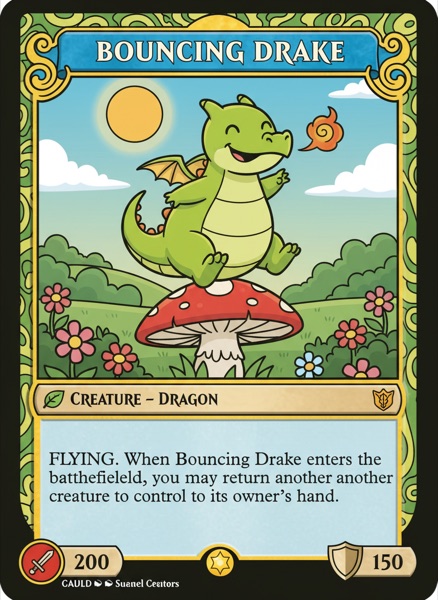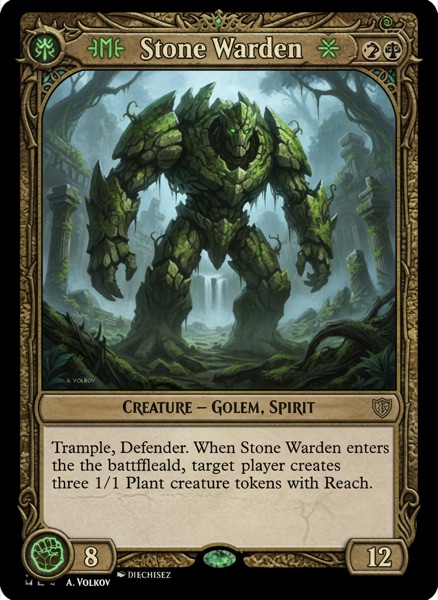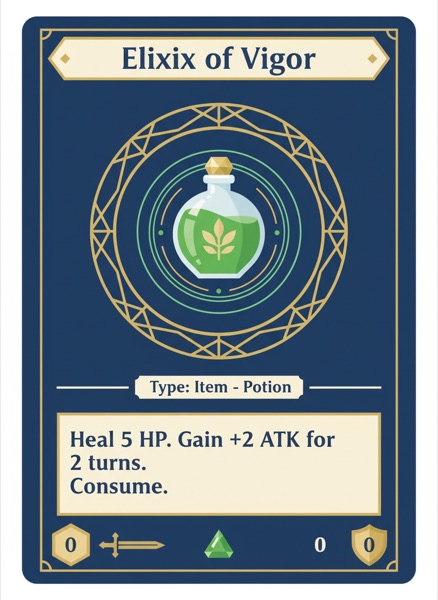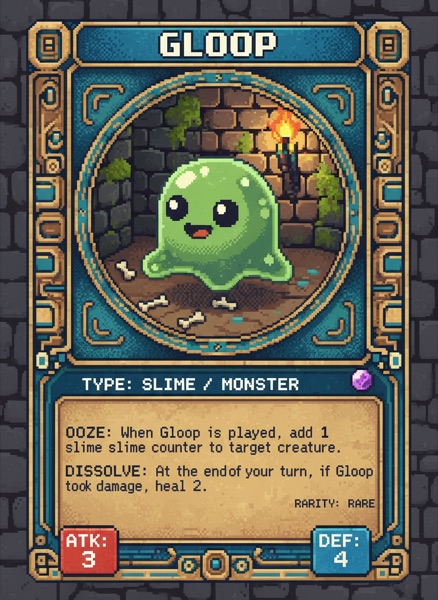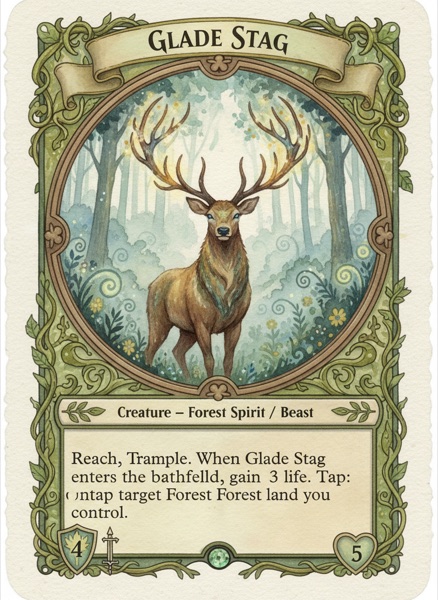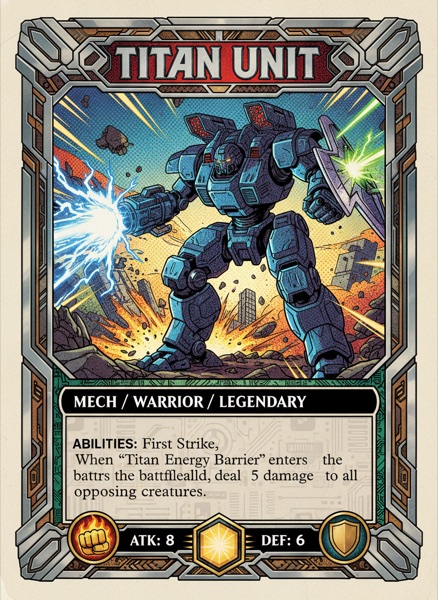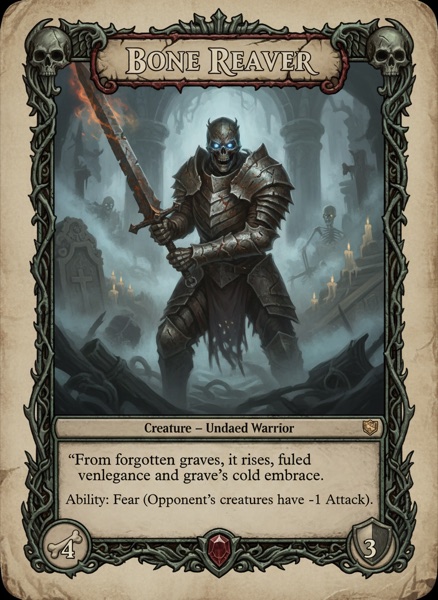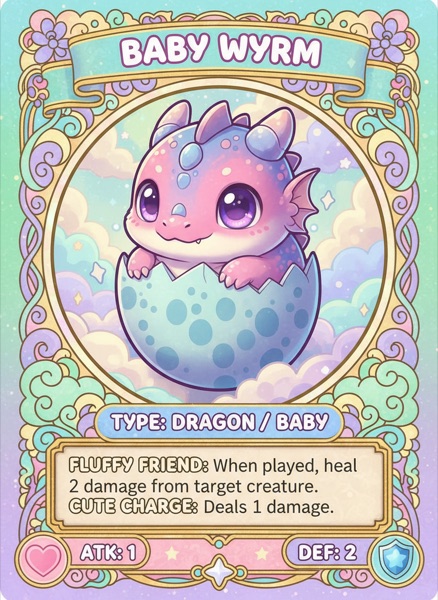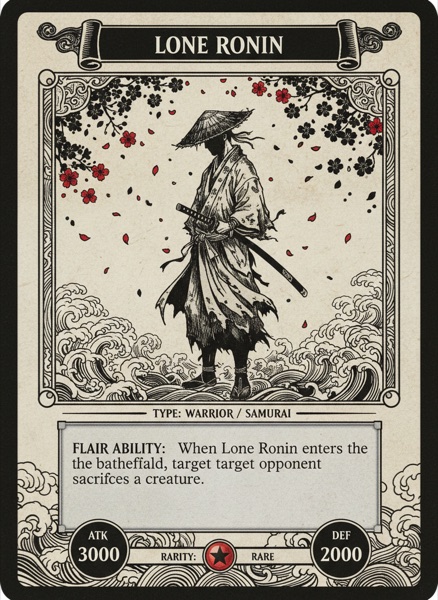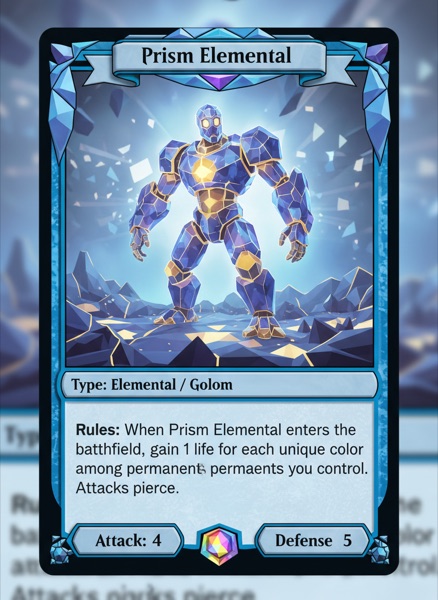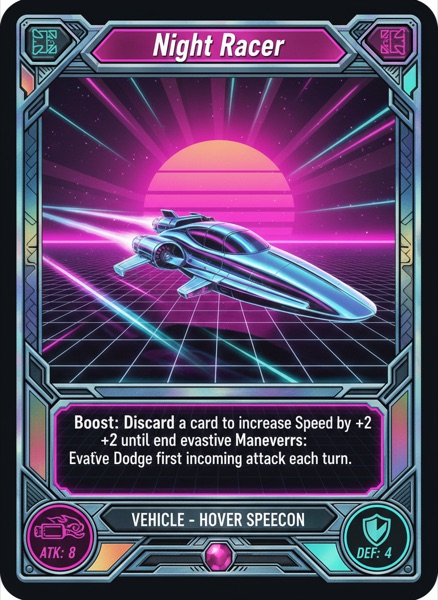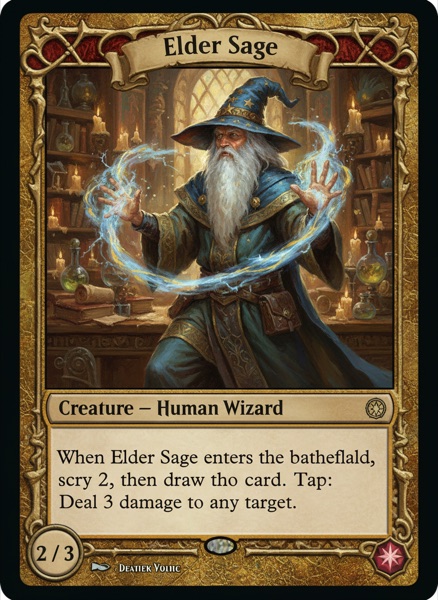
This post starts where the design posts stop. Your game works, strangers have played it without you explaining the rules, and the cards look like cards. Now somebody wants to buy one. Publishing is everything between that moment and the deck arriving at their door, and the good news is there are only three real routes. The right one depends on how many copies you believe in, and how much money you're willing to put down before you know.
Pick the route before you pick a printer
| Route | Money down | Per copy | Who it suits |
|---|---|---|---|
| Print on demand | About $10 for a proof | High, but no stock | First game, unknown demand |
| Crowdfund, then print | Marketing and a prototype | Low, paid by backers | You have an audience or can build one |
| Print run from savings | Thousands, up front | Lowest | Proven demand, or a second game |
Most first games should start on the first row. It's the only route where a game that sells twelve copies costs you nothing but pride.
Route 1: Print on demand
You upload the deck once, set a price, and the printer makes a copy every time someone buys. The Game Crafter runs a shop where your listing is a product page; you price it above the print cost and keep 70 percent of the difference. DriveThruCards does the same and pays 70 percent of the margin on an exclusive deal. Our printer comparison has the prices and stocks.
The steps are short. Get the files to the printer's spec (or let ShuffleKit's Print & Ship render and upload them at The Game Crafter's exact size, which is what the card game printing page is about), order one proof, fix what the proof shows you, and switch the listing to public. You'll earn a few dollars a copy rather than a few dozen, and that's fine. The point of this route is that the game exists and is buyable while you find out whether anyone wants it.
Route 2: Crowdfund it
Crowdfunding turns a print run into something backers pay for in advance. The platforms take a slice: Kickstarter charges 5 percent plus payment processing of 3 percent and 30 cents a pledge, and Gamefound charges 5 percent plus 3 percent and 20 cents. Budget about 8 percent of what you raise for fees, then plan to spend 10 to 20 percent of your goal on marketing before and during the campaign.
The campaign is the easy part. The hard part is the six to twelve months before it, building a mailing list, sending prototypes to reviewers, and running a pre-launch page until enough people have said "notify me" that day one funds itself. If you don't have that audience yet, run route 1 first and let the print-on-demand copies find it for you.
When the campaign funds, you're on route 3 with someone else's money and a deadline.
Route 3: A print run
Offset printers make better cards and boxes than print on demand, at a fraction of the per-copy price, provided you order enough of them. PrintNinja's minimum is 500 decks; offshore manufacturers quote from 500 or 1,000. A 54-card game in a printed tuck box starts around $5 to $7 a copy at 500 on PrintNinja's own numbers, drops well under that at a few thousand, and freight plus fulfilment adds a few dollars per order on top. Expect two to three months from approving the proof to boxes on a pallet.
Get three quotes with the same specification sheet, always order a physical proof, and ask where the boxes will live when they land. Five hundred games take up more of a flat than you'd think.
The unglamorous checklist
A few things every route needs and nobody mentions until the printer asks:
- A barcode. If a shop will ever stock it, you need a UPC. GS1 US licenses a single GTIN for $30 with no annual fee. Skip it for crowdfunding-only and print-on-demand copies.
- A rules sheet or booklet sized to the box, proofread by someone who has never played.
- The right box. Tuck boxes come in card counts, so a 54-card deck and a 108-card deck are different products. Count first.
- Safety and age labelling for the countries you'll sell into. Rules differ; check them before the box goes to print, not after.
- A page of your own with photos, a rules PDF and a buy link, so reviews have somewhere to point.
The fourth route: a publisher
Some designers would rather hand all of this to someone else, and that's a real option. Publishers want a working prototype, a one-page sell sheet, and a designer who has already playtested the game to death. Pitch at conventions or through submission forms, expect to wait, and know you're trading most of the revenue for none of the work above. There's no wrong answer, only a question of what you'd rather be doing next year.
Where to start this week
Order one proof of your deck through print on demand. It costs about the same as a takeaway, it forces every file to be finished, and holding it tells you whether you want to go further. If you'd like the file preparation handled for you, ShuffleKit renders and uploads decks straight to The Game Crafter, and the design guide covers everything upstream of this post. It's free to start, and I read every message that comes in. Get your deck print-ready.