Make your own Mafia game cards
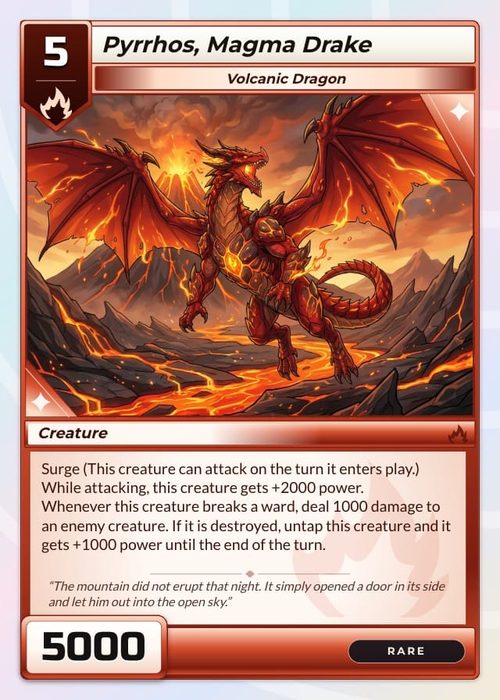
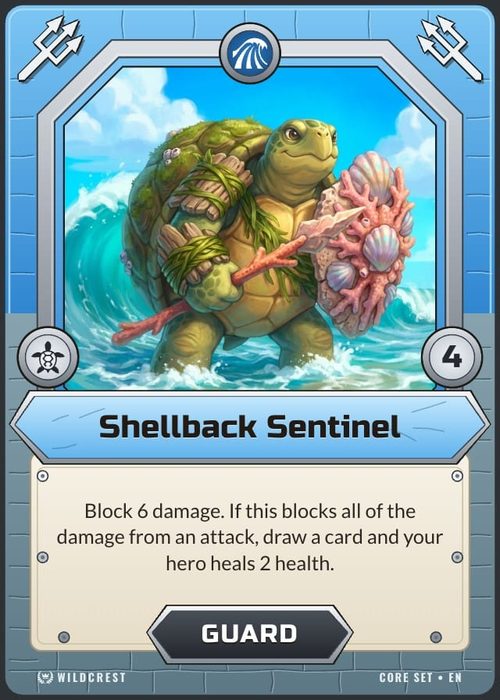
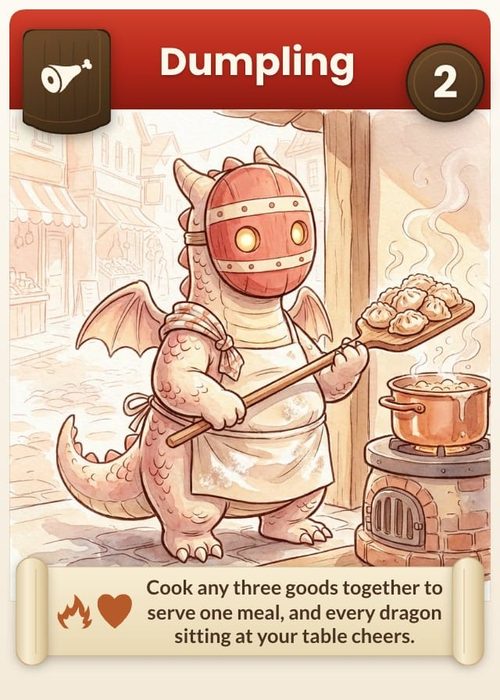
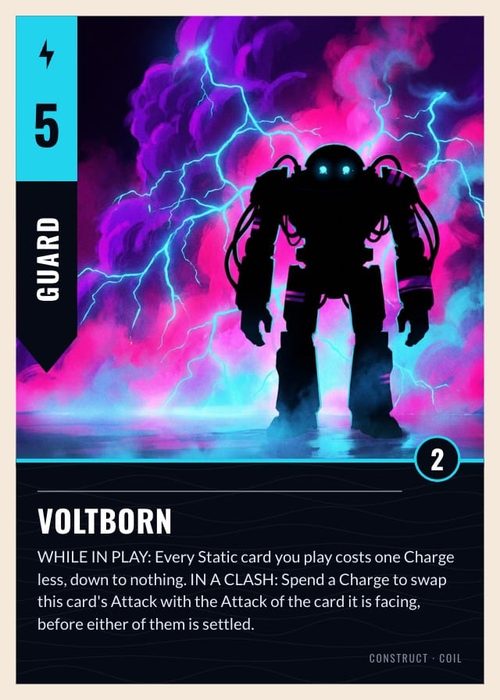
Print the classic roles free, or make a deck that is yours: roles your group invented, names and art from your own setting, and the house rules on a card. The same deck plays as Werewolf.
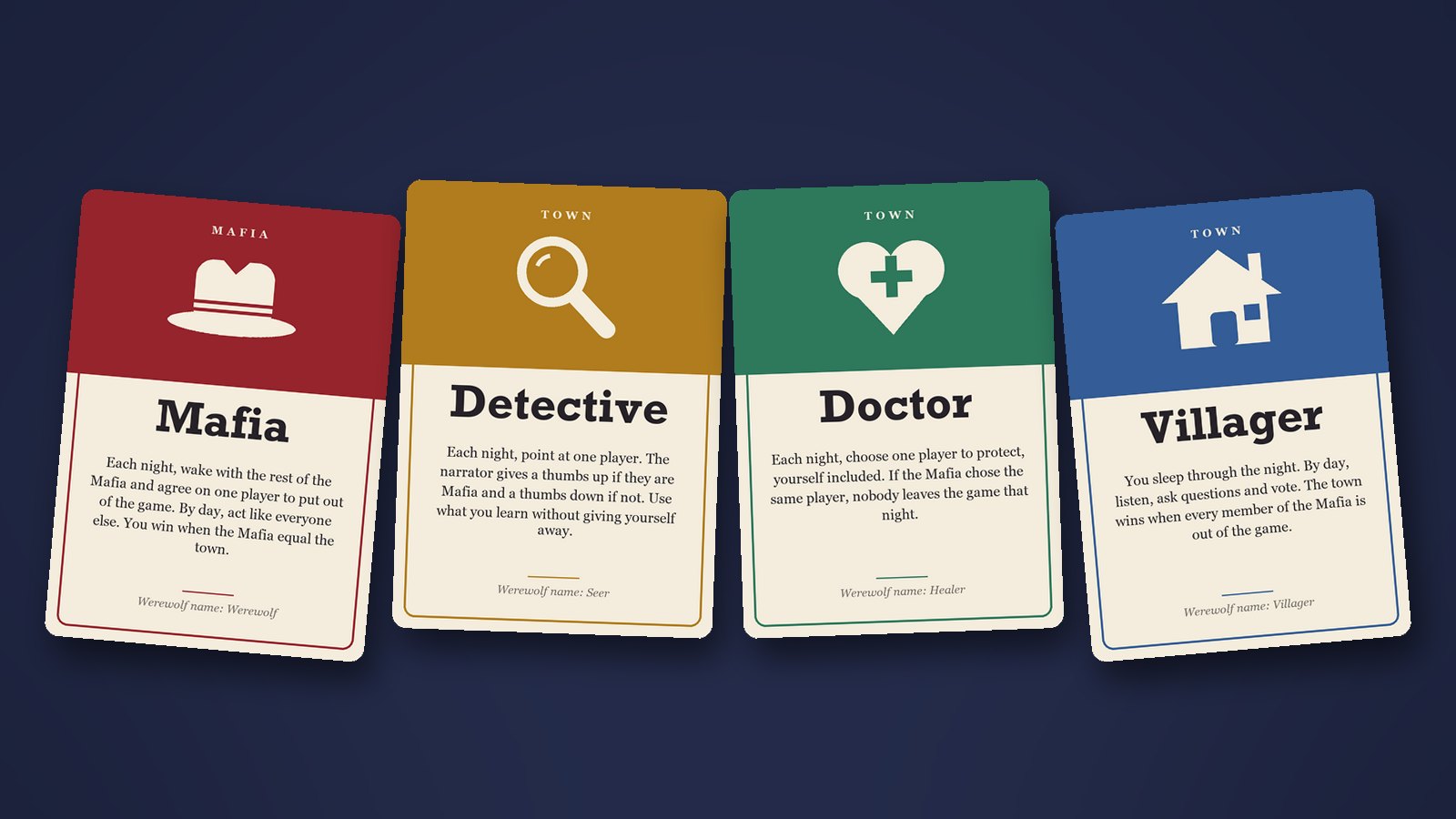
Free Mafia role cards to print
18 poker-size cards: 3 Mafia, a Detective, a Doctor, 8 Villagers, a Narrator card with the night script and 4 blank roles to write your own on, plus a matching back. Every card also gives the role's Werewolf name. No account needed.
The roles are what a group makes its own
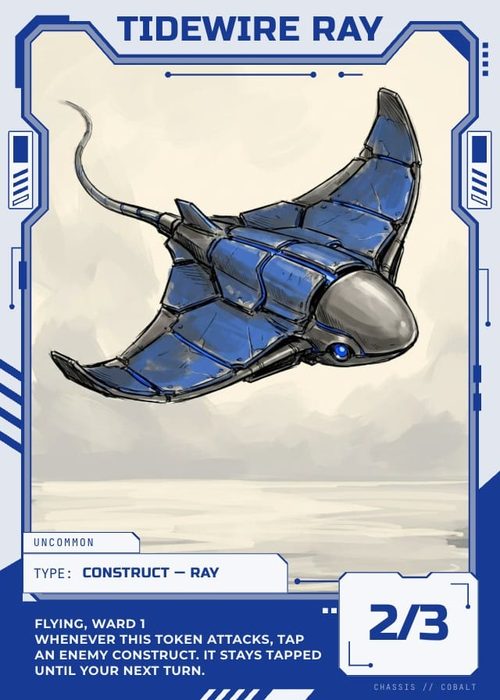
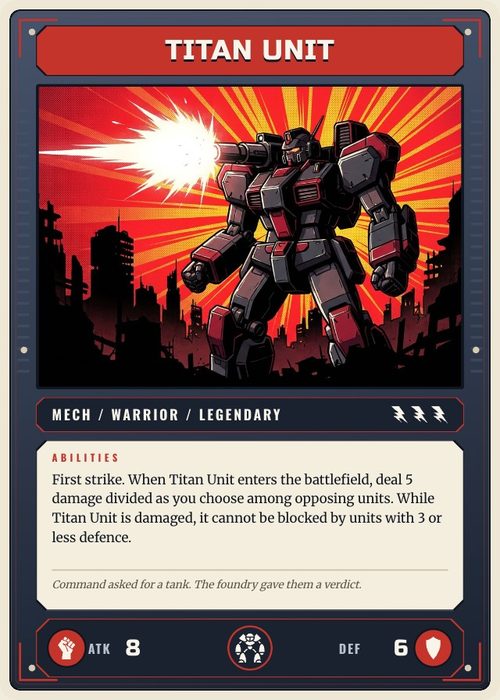
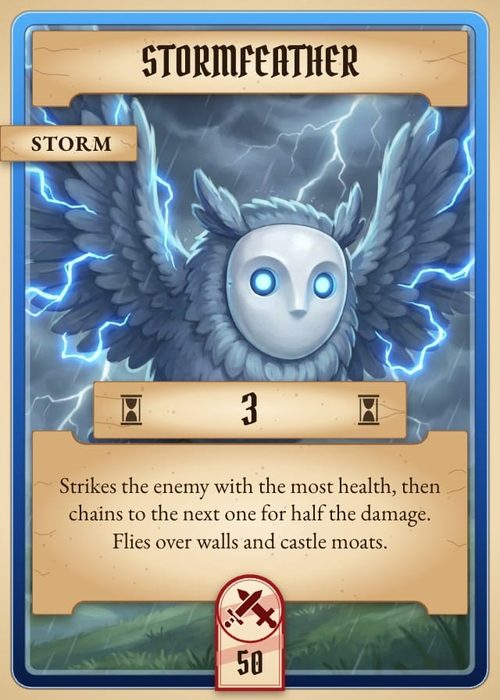
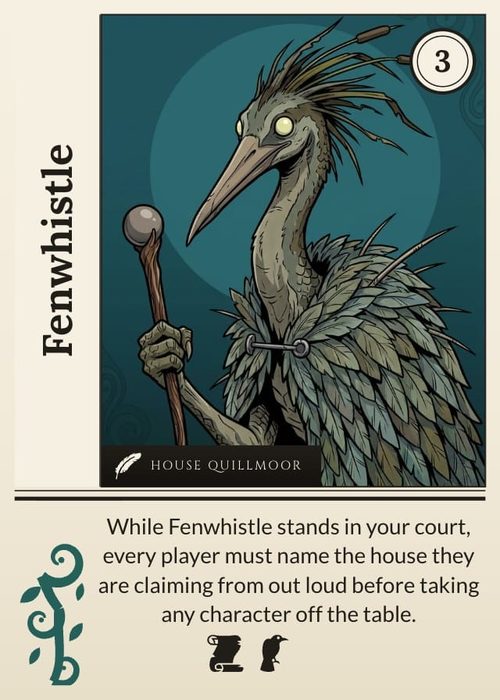
Every printable Mafia set has the same four roles. Groups that play often start adding to them: a Jester who wins by getting voted out, a Mayor whose vote counts twice, a whole cast set in their office or on a camping trip. Here each role is a row in a sheet on one card design, so a new role is a new row, and the finished deck prints at home or goes on an online table where each player sees only their own card.
 1
Describe the game
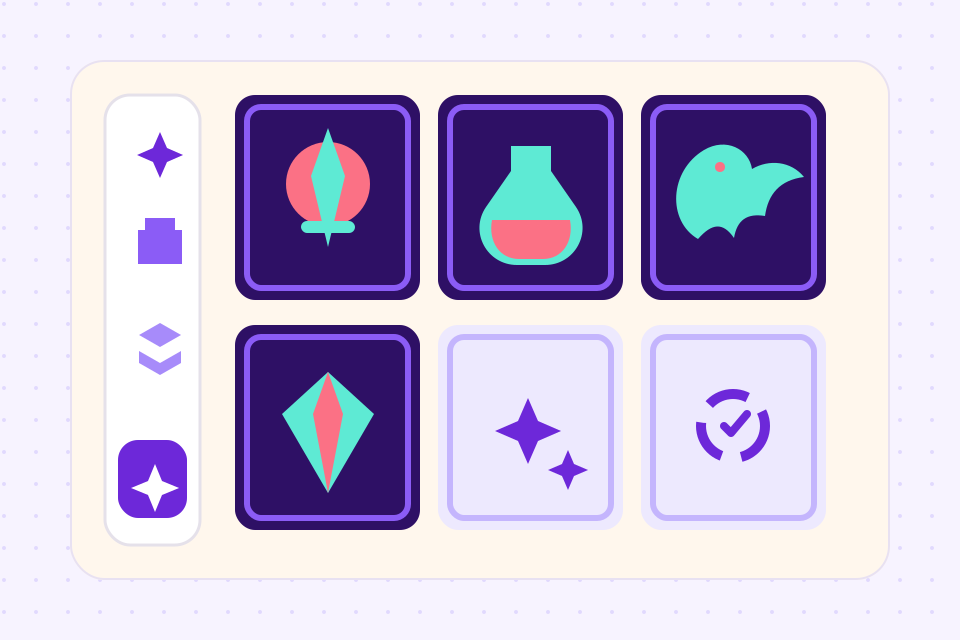
Tell Shufflo, the AI assistant, how many people play and which roles you want, and it writes the role cards into a sheet: the name, the team and what the role does at night. Or type them in yourself.
 2
Make the cards yours
Change the colours and the layout, add a picture for each role, and put your game's name on the back. Every card in the deck follows the design, so a change happens once.
 3
Print it or play it
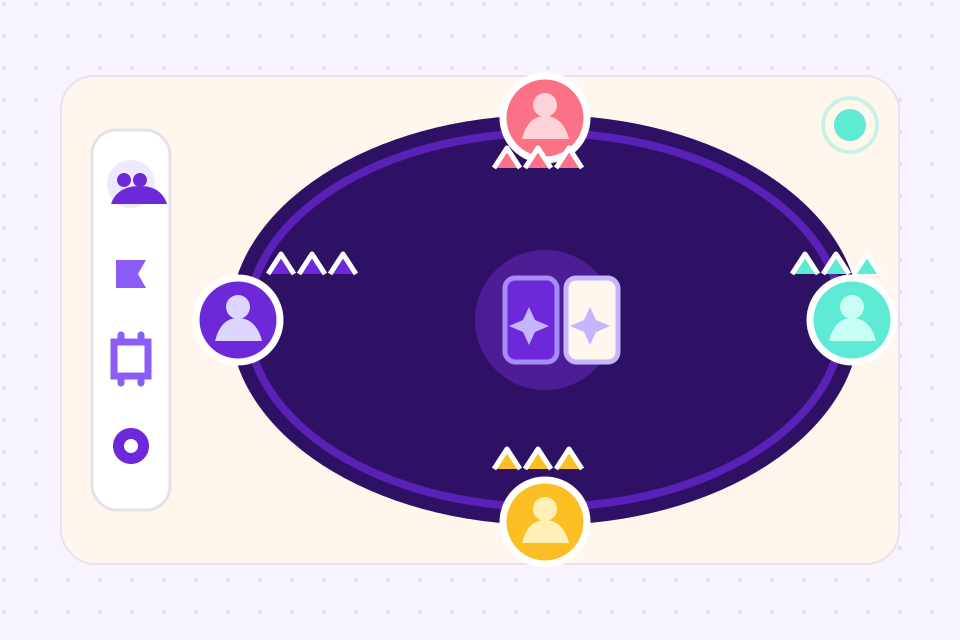
Paid plans add a print PDF with crop marks, or a printed deck ordered from The Game Crafter. Every plan, the free one too, can deal the roles on the online table, one hidden card per player.
How to make your own Mafia or Werewolf cards
Mafia needs a card per player and a narrator who knows the order of the night. The rest is choosing roles that keep both sides in the game, and writing down the rules your group argues about.
Pick the roles for your player count
Count the players without the narrator, who runs the game and holds no card. Then aim for about one Mafia to every three or four players. Fewer than that and the town finds them on the first day; more and the Mafia wins before anyone has worked anything out.
Most groups start from these numbers and adjust after a few games:
- 5–6 players: 1 Mafia, a Detective, and the rest Villagers. Add a Doctor at 6.
- 7–8 players: 2 Mafia, a Detective, a Doctor and 3–4 Villagers.
- 9–11 players: 2–3 Mafia, a Detective, a Doctor and the rest Villagers.
- 12–15 players: 3–4 Mafia, a Detective, a Doctor, one more special role for the town, and the rest Villagers.
- In Werewolf, the Mafia are Werewolves, the Detective is the Seer and the Doctor is a Healer or Bodyguard. The numbers are the same.
Add roles of your own
Every extra role changes the balance, so add one at a time. A power for the town usually wants another Mafia, or a power for the Mafia, to make up for it.
These come up in almost every group's house rules, and each is one row in the sheet:
- Jester: on no team, and wins by getting voted out.
- Mayor: may reveal the card during the day, and from then on the vote counts twice.
- Bodyguard: picks a player each night, and is put out of the game in their place if the Mafia chose them.
- Vigilante: may put one player out of the game, once, at night.
- Godfather: a Mafia player who shows as innocent to the Detective.
Write the narrator's script
The narrator keeps the game moving and is the only person who sees every role. A script read the same way every night stops the narrator's pauses from giving anyone away.
Wake the roles in a fixed order: the Mafia first, then the Doctor, then the Detective, then any roles you added. Call every role every night, even one whose player is already out, so the table can't count who is left by the silence. Tapping the table or playing music while eyes are closed covers the sound of people moving.
- Night: everyone closes their eyes. Wake each role in turn, take its choice, put it back to sleep.
- Morning: everyone opens their eyes. Say who left the game in the night, or that nobody did.
- Day: the players talk and then vote. The player with the most votes leaves the game.
Set the house rules
Decide the arguments before they happen, and print them on a card at the top of the deck. These are the ones most groups have to settle:
- Whether a player who leaves the game shows their card, or keeps it hidden until the end.
- What happens on a tied vote: nobody leaves, or the tied players get a minute each and the table votes again.
- Whether the first night has a kill, or is only for the Mafia to see who their partners are.
- A time limit for the day, so one player can't talk the table round in circles.
- Players who are out stay quiet until the game ends.
Print the cards
The backs matter more here than in any other game. If one card bends differently, shows through the paper or carries a smudge, the whole table learns who holds it. Print on card stock of about 250 to 300 gsm (90 to 110 lb cover) and hold a sheet up to a light before you cut it. Card sleeves with opaque backs fix most of what goes wrong.
The print PDF (Hobby plan) puts nine poker-size cards on a page of Letter or A4 with crop marks, and the backs on the next page lined up for two-sided printing. Print one test sheet first to see which way your printer turns the page. For a deck that looks bought, Print & Ship on the Indie plan sends it to The Game Crafter, which prints it and posts it to you.
Play it online with hidden roles
Publish the deck to ShuffleKit's online table and send the link. Set the deal to one card each, and each player sees only their own role. The narrator runs the night over a video call, and the players vote out loud.
The table seats six players. That covers a small game of five or six; for a bigger group, play with the printed deck, or use the online table to try out a new role before you print it.
Made for a deck of secret roles
Every role shares one back, so a card face down on the table says nothing about who holds it. Change the back once and the whole deck changes with it.
Give each role a team, such as Mafia, Town or Neutral, and the card takes that team's colour. Rename a team or add a third side and every role on it follows.
Ask Shufflo for a role that fixes a problem in your game ("the town keeps losing at eight players") and it drafts a few, each with what it does and when it wakes. It writes up to 50 cards a message.
Put the narrator's script on a card of its own, in the order the roles wake, so whoever narrates next week has it in front of them.
A pirate crew, a space station or the office: rename the roles to fit, give each one a picture, and the rules stay the same underneath.
Send the table link to up to six players. They join from a browser, and each one sees only the role dealt to them.
Templates with secret roles in them
None of these is a Mafia deck as it comes, but each has a hidden-card design you can start from, and the sample cards are there to type over.
- Game card template
Harborlight
A Role card with a secret goal and a reminder to keep it hidden, beside character, event and resource cards on one shared back. Delete the other three types and you have a role deck.
- Murder mystery
Mistlecombe
Eight character cards, each with a secret and goals, clue cards in three rounds and host cards for the person running it. It is a party game of hidden information for four to eight players, aged 10 and up.
Frequently asked questions
Everything you need to know before getting started.
Still have questions? Contact us
Are the printable Mafia cards really free?
Yes. The PDFs and PNGs on this page download without an account: 18 cards with 3 Mafia, a Detective, a Doctor, 8 Villagers, a Narrator card and 4 blank roles, enough for up to 13 players on the classic roles. To change the roles, the art or the design, make the deck in ShuffleKit.
How many Mafia should there be for my number of players?
About one Mafia to every three or four players, not counting the narrator: 1 Mafia for 5–6 players, 2 for 7–8, 2–3 for 9–11 and 3–4 for 12–15. If the Mafia keeps winning, take one out or add a Doctor; if the town keeps winning, add a Mafia or give the Mafia a role with a power.
What is the smallest group that can play?
Five players and a narrator, with 1 Mafia, a Detective and 3 Villagers. Below that, a single vote ends the game too quickly. Mafia plays best with 7 to 12.
Can I use these cards for Werewolf?
Yes. Werewolf is the same folk game with a village instead of a town: the Mafia are Werewolves, the Detective is the Seer and the Doctor is a Healer. Every free card prints its Werewolf name at the foot, and in your own deck you can name the roles whatever you like.
Can I make cards for a published social deduction game?
You can make cards in the style of any of them for your own table, with your own names, art and rules. Their artwork and card text belong to their publishers, so don't copy those, and don't sell a deck that does.
Can the AI write new roles?
Yes. Tell Shufflo how many people play, what keeps going wrong and the setting you want, and it writes roles into the sheet, up to 50 cards a message. Read each one for balance before a game: a role it writes can be too strong for your group as well as too weak.
Is it free to make my own deck?
You can try it free: one project of up to 120 cards and 20 Shufflo messages a month, which is more than a Mafia deck needs, and the online table works on every plan. The print PDF comes with the Hobby plan, $4 a month billed yearly, and a printed deck through Print & Ship with Indie.
How many people can play on the online table?
Six players, each holding a hand only they can see, plus up to ten people watching. Players join without an account; only the deck's owner needs one. For seven or more players, print the deck.
Is Mafia suitable for children?
The free cards are: nobody is hurt on them, players are put "out of the game", and the pictures are a hat, a magnifying glass, a heart and a house. That wording works in a classroom. In your own deck the setting and the words are yours to choose.
Can I make other party games too?
Yes. Truth or dare, never have I ever and would you rather decks have a page of their own, starting from a question deck with a colour for each kind of card. The party card game maker.
Related tools
Party Card Game Maker
Write a deck about the people who will play it, from truth or dare for a 30th to would you rather for a family trip. Type the cards into a sheet or let the AI draft them, then print the deck at home or deal it on an online table.
Cards Against Humanity Style Card Maker
Type a prompt or an answer and the card sets it in heavy type on black or white. Print the finished deck at home, or deal it to friends on an online table from a link.
Playtest Card Game Online
Share a link, sit your playtesters at a virtual table, and watch your game in motion. No TTS license, no install, no setup.
Card Game Printing
Design the deck here, then send it to The Game Crafter from the same project. They print it on demand and ship it worldwide, so your first order can be a single proof copy.
Ready to build it?
Start free. Upgrade only when you're ready to publish.